When Cartoons Beat Cannons

2026-05-07 14:51:59 UTC
Napoleon reshaped Europe.
He changed law, administration, warfare, nationalism, education, meritocracy, and the modern state. His campaigns changed the map and forced every major European power to adapt. Today, our life is this way mostly because of Napoleon.
And yet, ask a random person today what they “know” about Napoleon.
A surprising number will say: He was short.
That's branding.
History matters. Facts matter. But memory often needs a simple visual hook.
Churchill had the cigar.
Gandhi had round glasses.
Steve Jobs had the black turtleneck.
Einstein had the hair.
Michael Jackson had the glove.
Napoleon got shortness.
Here is the funny thing: he was not short. He was around 5’6”, which was normal for his era.
But that did not matter.
Napoleon was winning wars. He was reshaping Europe. He had built one of history’s great personal brands: the brilliant general, the man of destiny, the heir to Rome, the person who could bend the future to his will.
Just look at Napoleon Crossing the Alps painting.
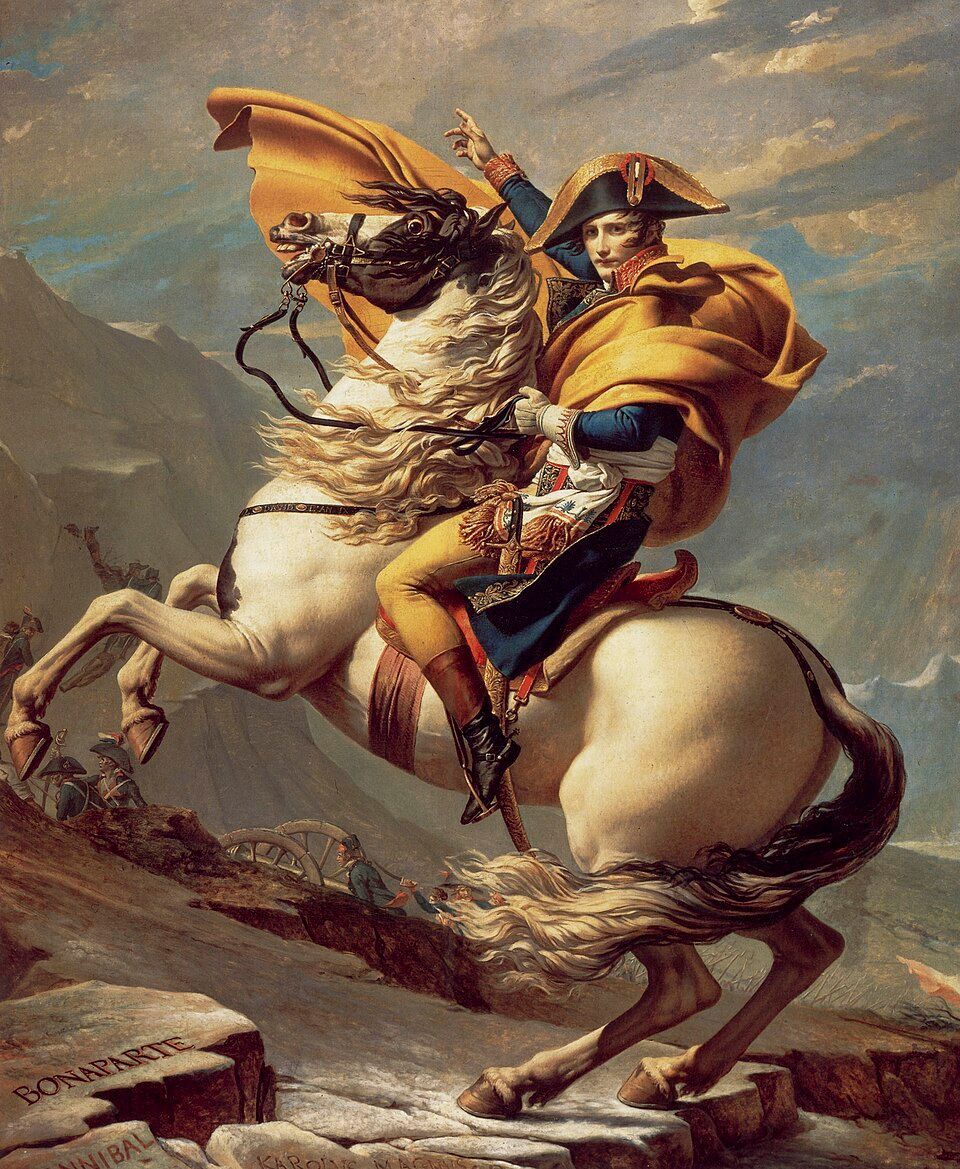
He looks regal, calm, elevated, and majestic. His confidence is telling the world that he commands the future. And in many ways, he did.
So Britain attacked him somewhere else.
Not on competence.
Not on battlefield results.
They attacked his image.
And they used one of the sharpest weapons - cartoons.
James Gillray, the British cartoonist, did not need to prove Napoleon was a bad general. That would have been hard.
Instead, he made Napoleon look short. And ridiculous.
He created Little Boney. It was a series of cartoons in which he was shown having a tiny body and an oversized hat.
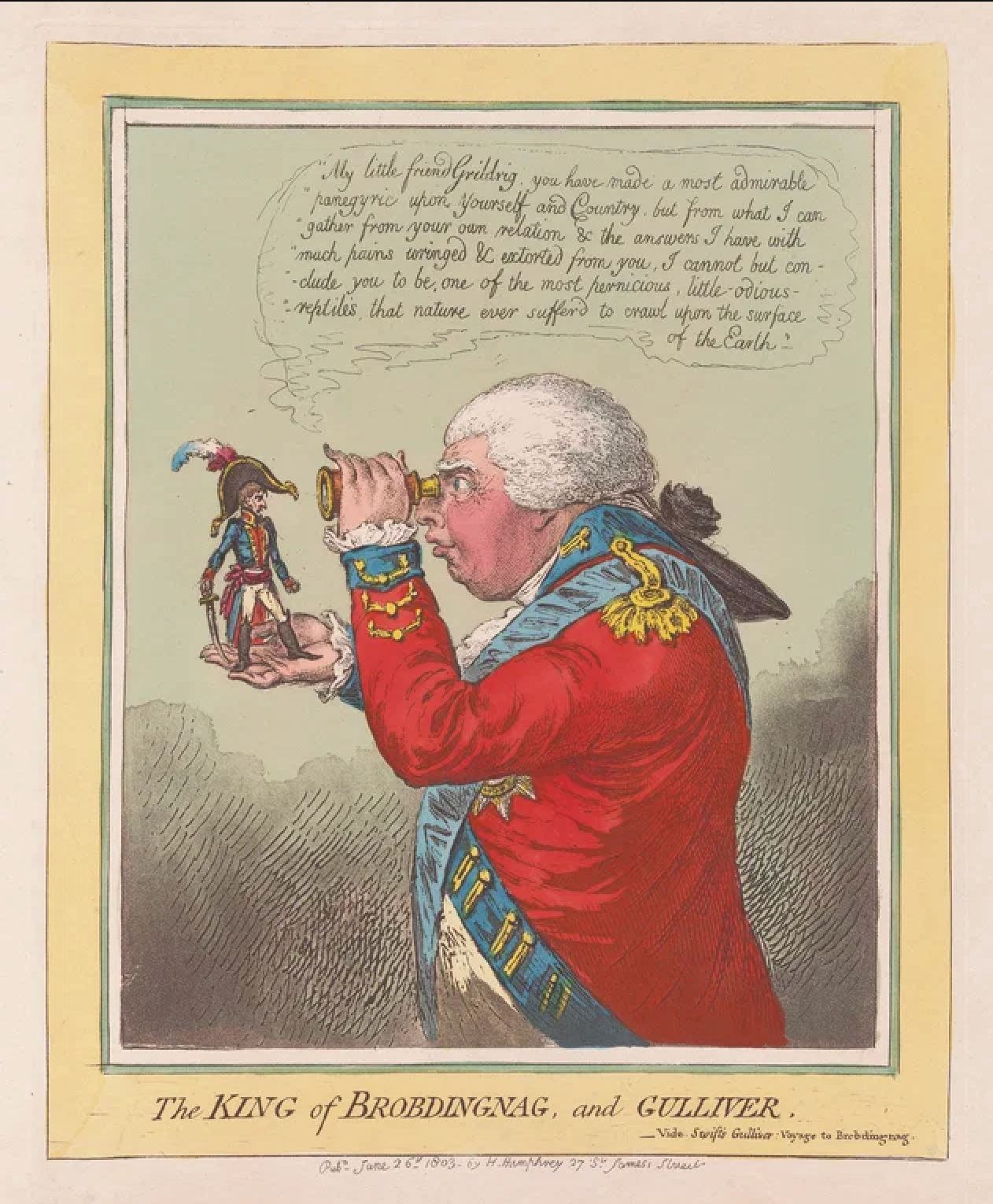
Little Boney was not one cartoon. It was a recurring character. Same tiny body. Same oversized hat. Same small and ridiculous frame.
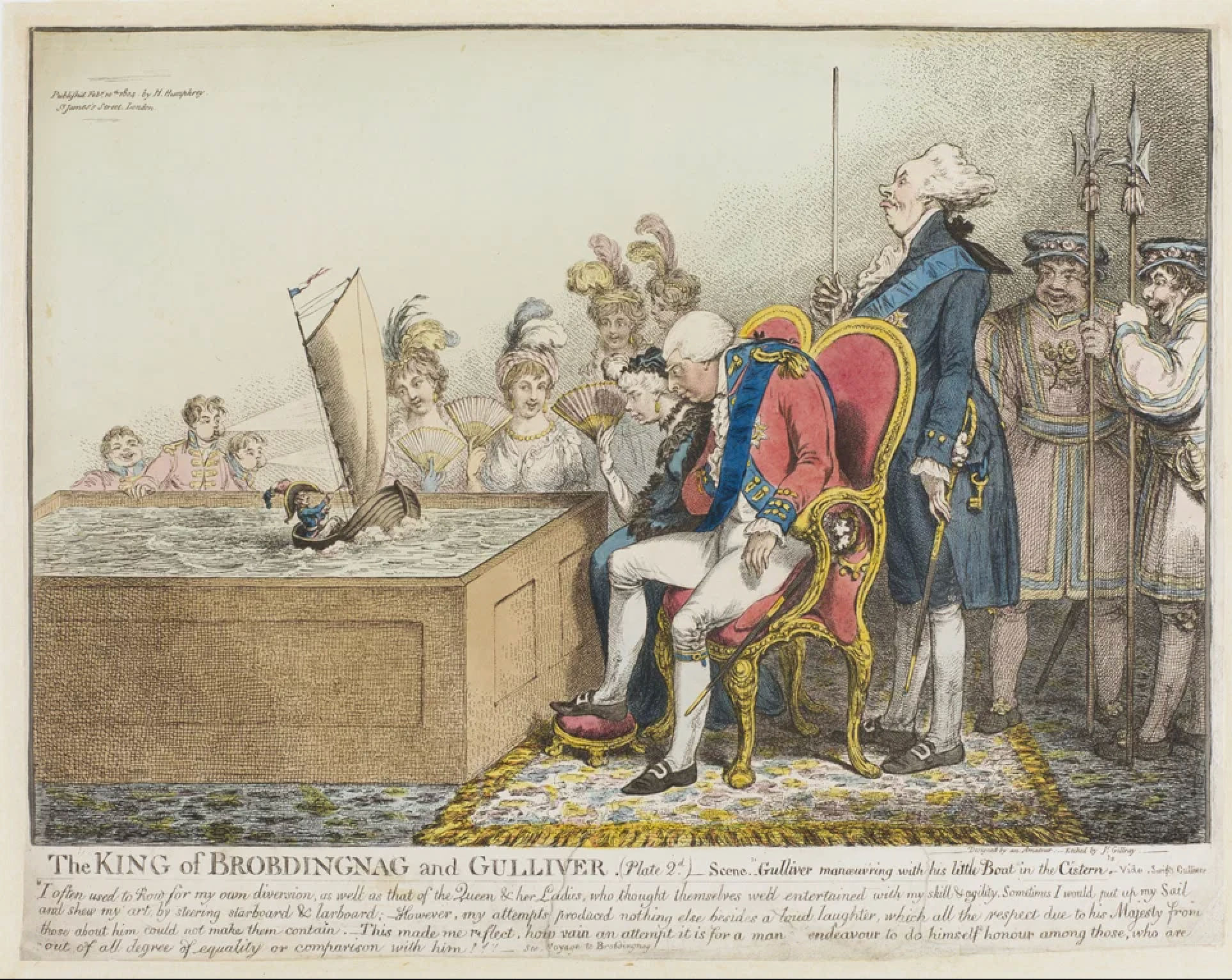
That was genius.
Gillray did not draw Napoleon as small once and move on. He kept returning to the same visual identity again and again.
The tiny body.
The oversized hat.
If you want a brand to stick, repetition matters. Here are all the cartoons from the "Little Boney" series.
These cartoons were displayed in print-shop windows, discussed in coffee houses and taverns, collected in drawing rooms, and passed around as political entertainment.
The message was simple:
Napoleon may be powerful, but he is short.
That is a very different kind of attack.
You can answer an accusation of incompetence by winning another battle. It is much harder to answer a joke that everyone recognizes before you enter the room.
Gillray’s most famous Napoleon print is probably The Plumb-pudding in danger from 1805.
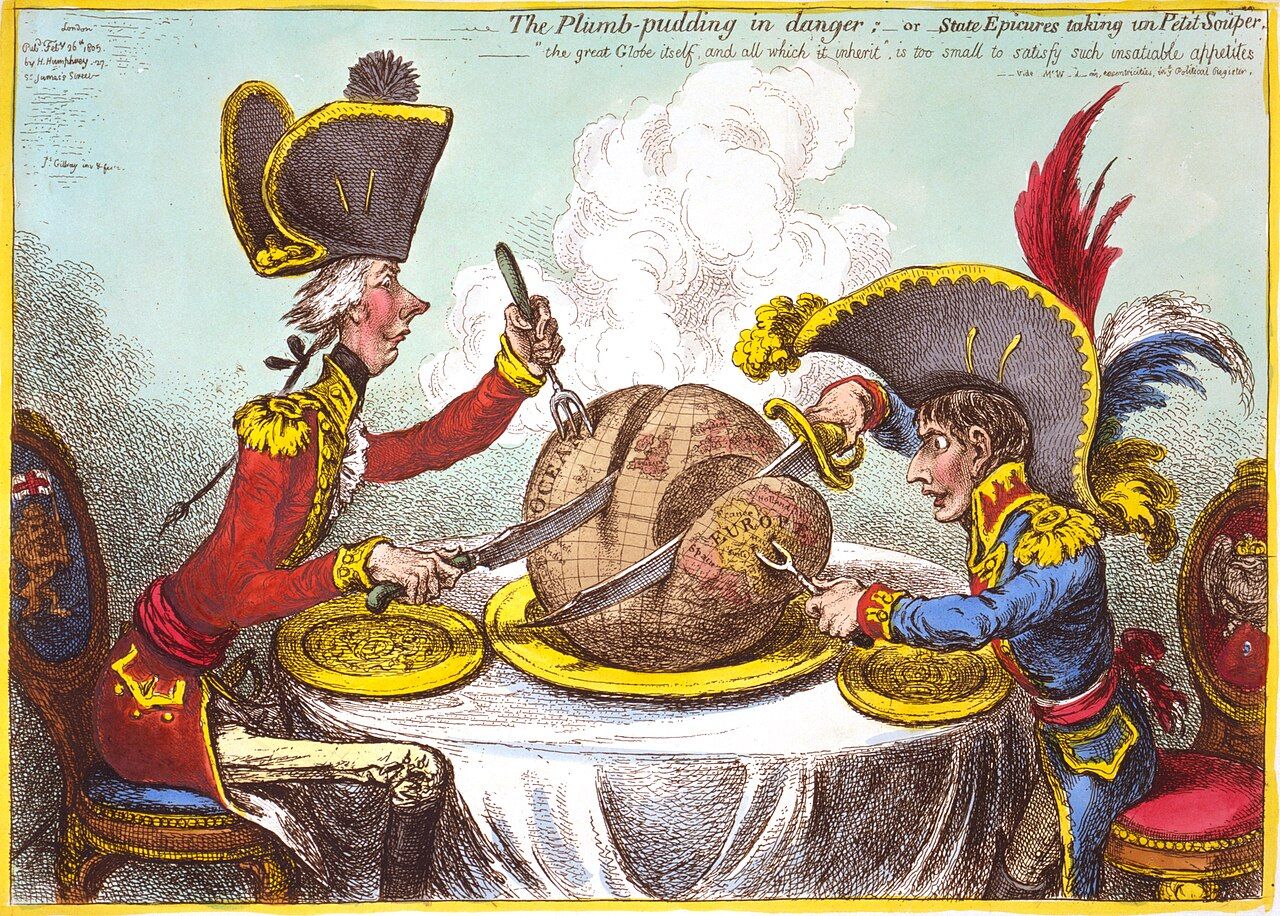
It shows British Prime Minister William Pitt and Napoleon sitting across from each other, carving up the globe like dessert. Pitt appears calm and confident. Napoleon is small with an oversized hat.
The image works because it compresses geopolitics into dinner-table comedy.
No one needs to know the reality that Napoleon is winning wars. That's abstract. Visuals tend to take a stronger hold. All people need to know is that Napoleon is short.
Later books, plays, TV shows, and movies continued the myth. The short Napoleon became easier to remember than the real Napoleon.
It's alleged that Napoleon said that James Gillray's cartoons did more damage to him than armies. Whether Napoleon actually said this is in question. What is not in question is that the cartoons did a kind of damage that cannons could not.
That's branding.